
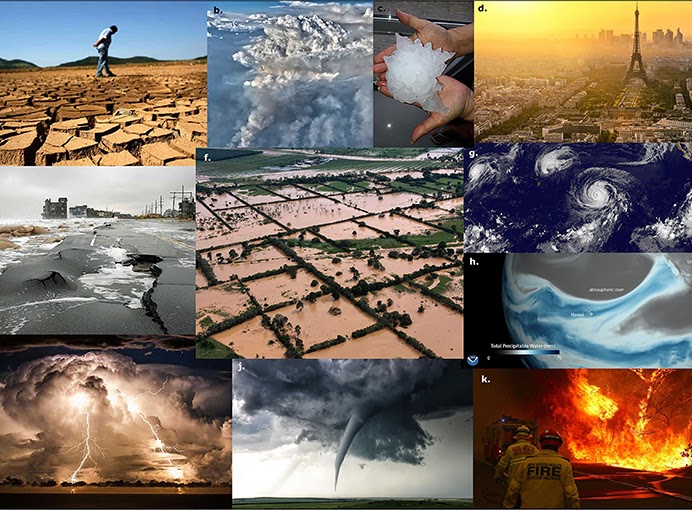
 Extremes
Climate extremes
Causes and changing characteristics of cold surges, heatwaves, and typhoons, diagnosed from observations and climate models.
Learn moreWe investigate the causes and changing characteristics of high-impact climate extremes — cold surges, heatwaves, and typhoons — by combining observations, global climate models, and advanced feedback-attribution techniques. Our research extends to climate zone shifts, climate engineering, and AI-based climate analysis.
From the synoptic dynamics of cold surges to the attribution of regional warming, we approach climate extremes through observations, models, and process-based diagnostics.
Extremes
Causes and changing characteristics of cold surges, heatwaves, and typhoons, diagnosed from observations and climate models.
Learn more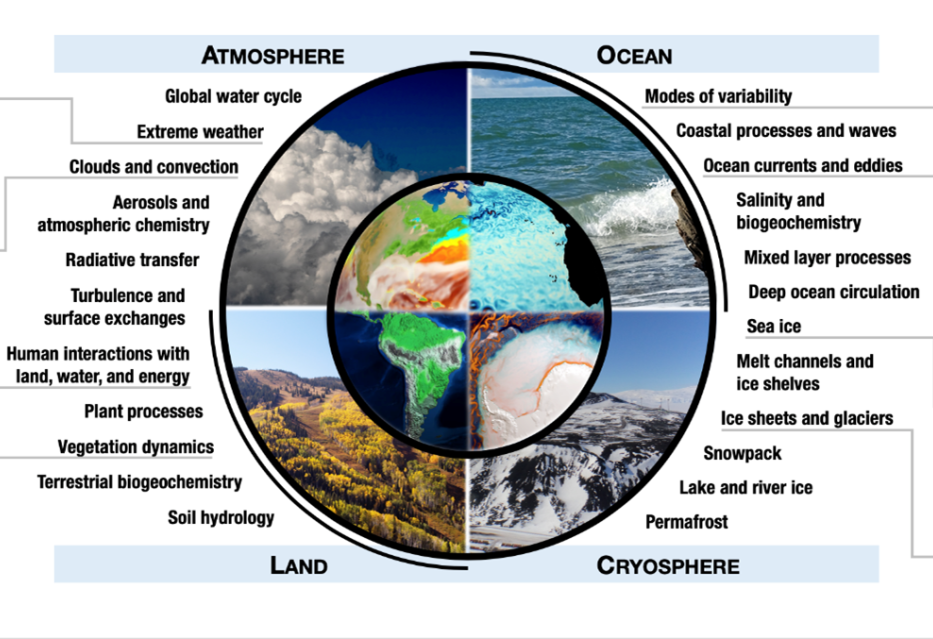 Modeling
Using GCMs and land-surface models to study feedback mechanisms and land–atmosphere interactions driving regional extremes.
Learn more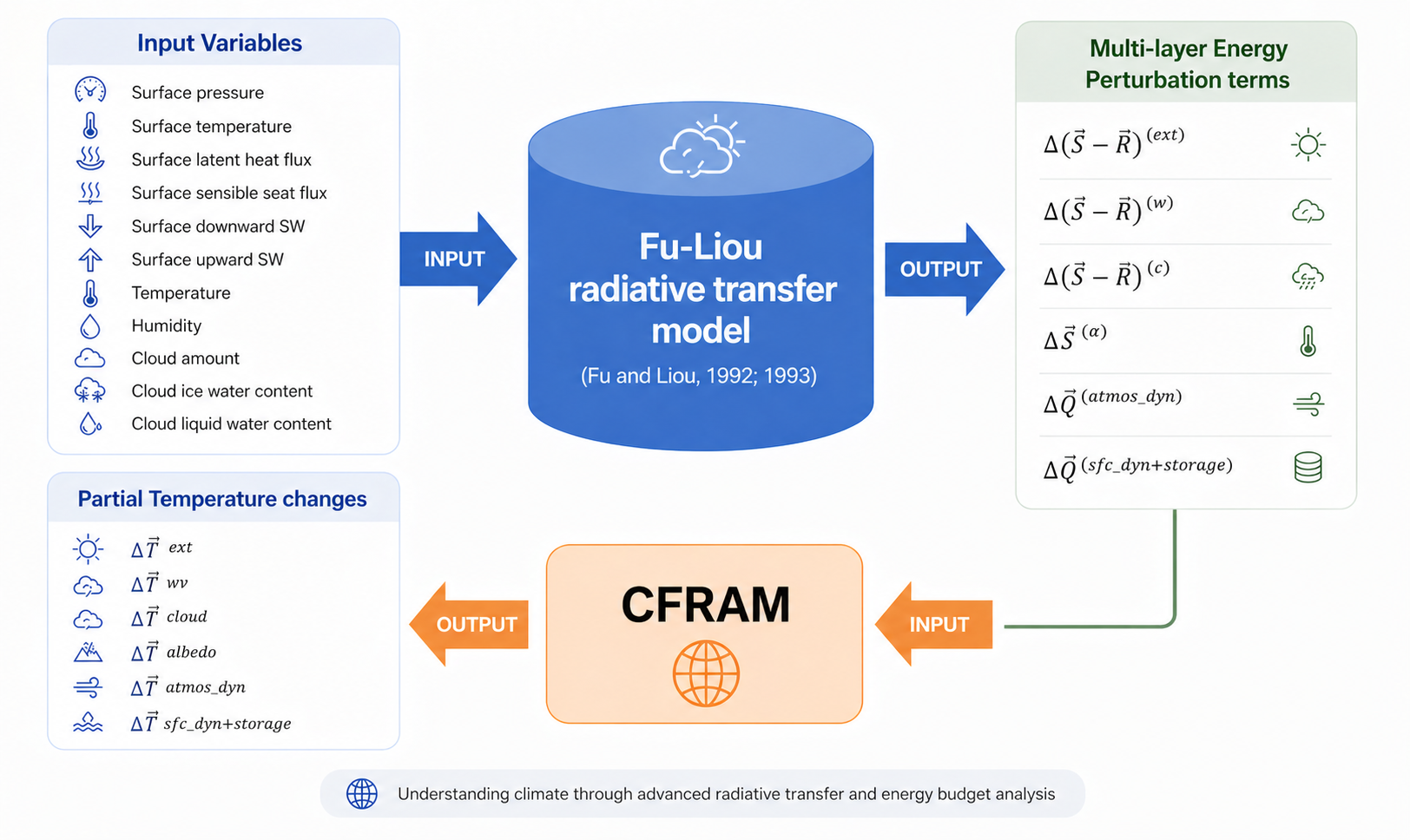 Attribution
Applying CFRAM to attribute temperature change to specific radiative and non-radiative feedback processes.
Learn more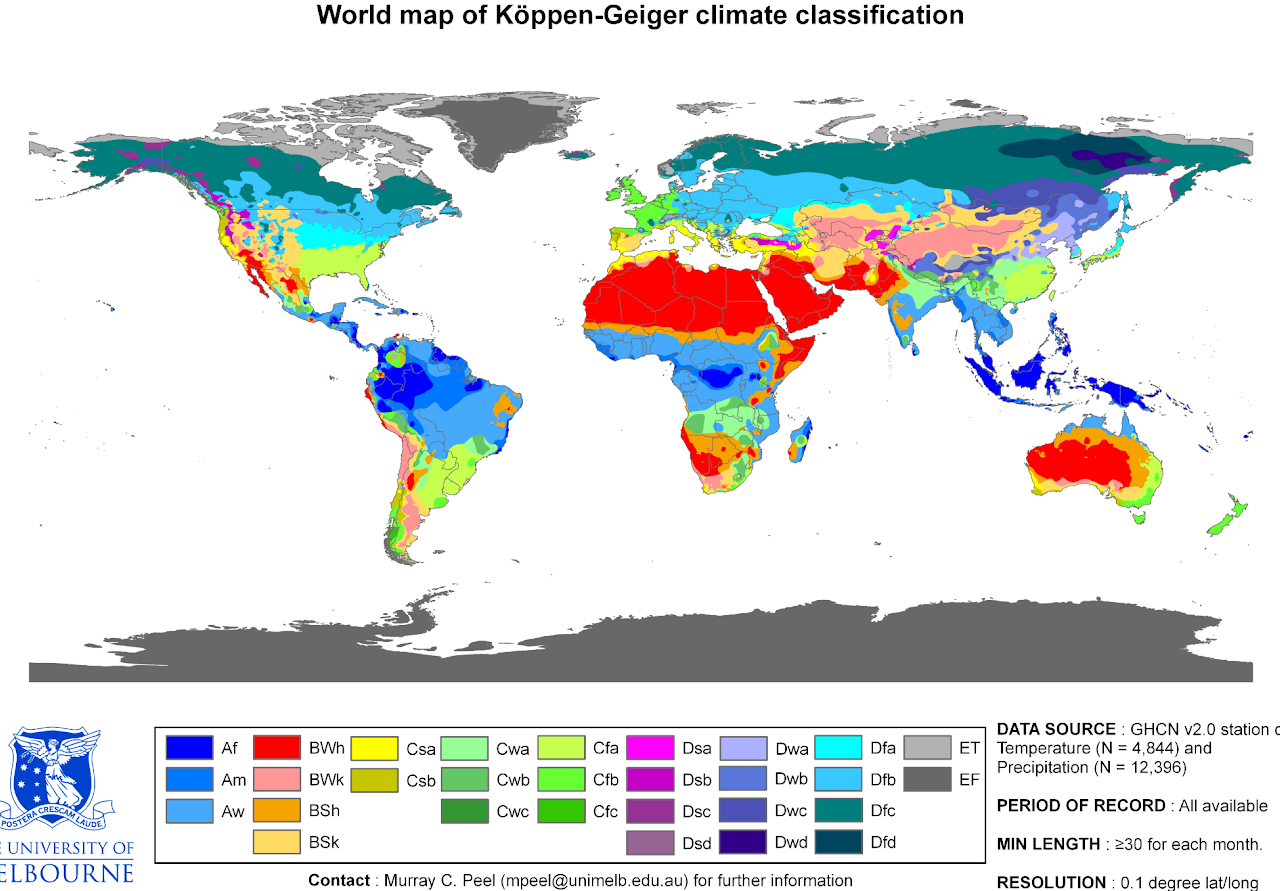 Risk
Risk
How climate zones shift over time and the regional risks those shifts pose, combining indicators with vulnerability metrics.
Learn more - 1.png) Engineering
Engineering
Solar radiation management (SRM) and carbon dioxide removal (CDR) assessed with Earth system models for scientific viability and side effects.
Learn more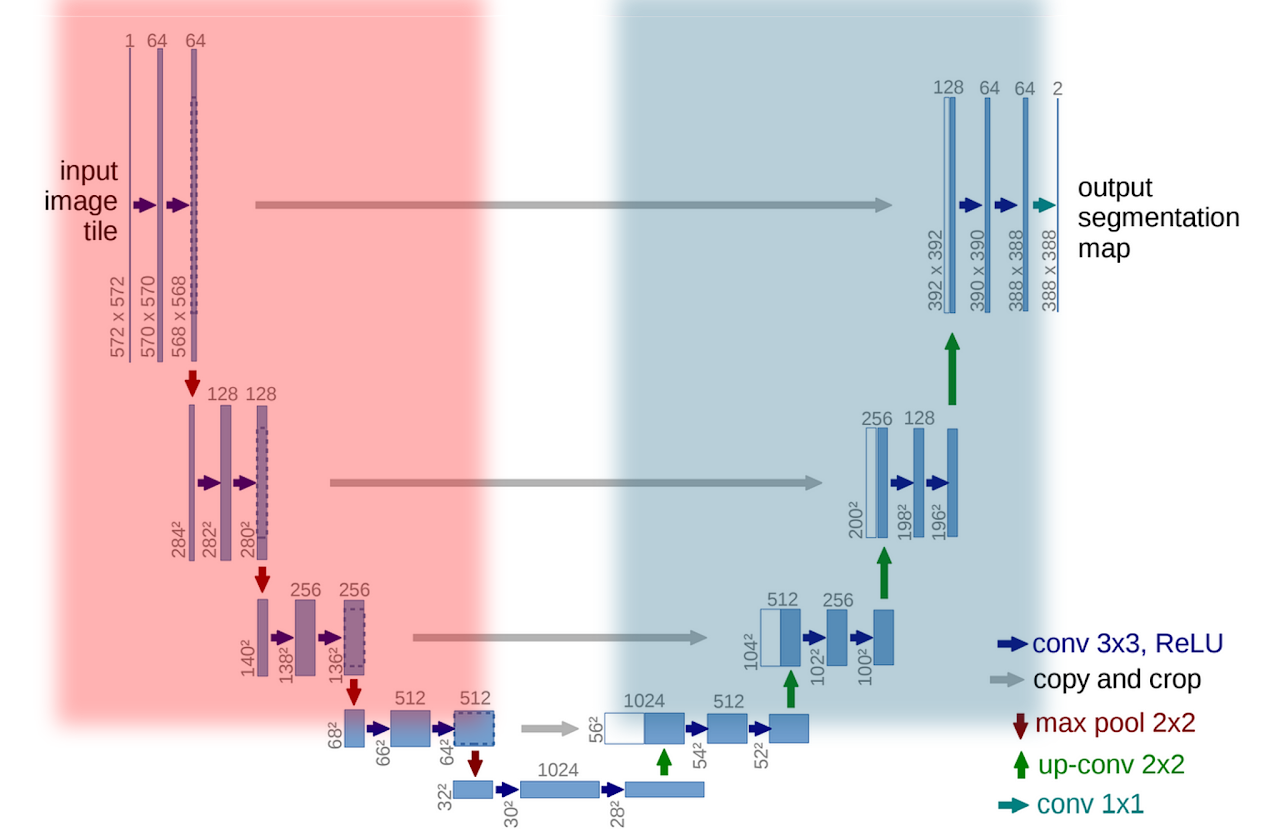 AI
AI
Using artificial intelligence to transform low-resolution data into high-resolution insights for regional climate and extreme weather.
Learn moreClimate Disaster Lab is located at Chonnam National University in Gwangju, South Korea. For research collaboration, graduate-school inquiries, or undergraduate research interests, please reach out via email — we welcome students interested in climate change, extreme weather, or climate modeling.
Climate Disaster Lab is currently accepting applications for undergraduate research interns, M.S., and Ph.D. students. If you are passionate about climate change, extreme weather, or climate modeling, please email Prof. Tae-Won Park with your CV and a short statement of interest.
Hands-on research experience for JNU undergraduates interested in atmospheric and climate sciences. Open year-round.
Master’s program in atmospheric and climate sciences. Full research support including stipends and conference travel.
Doctoral program for those committed to long-term research in climate extremes, modeling, attribution, or AI-based climate science.